
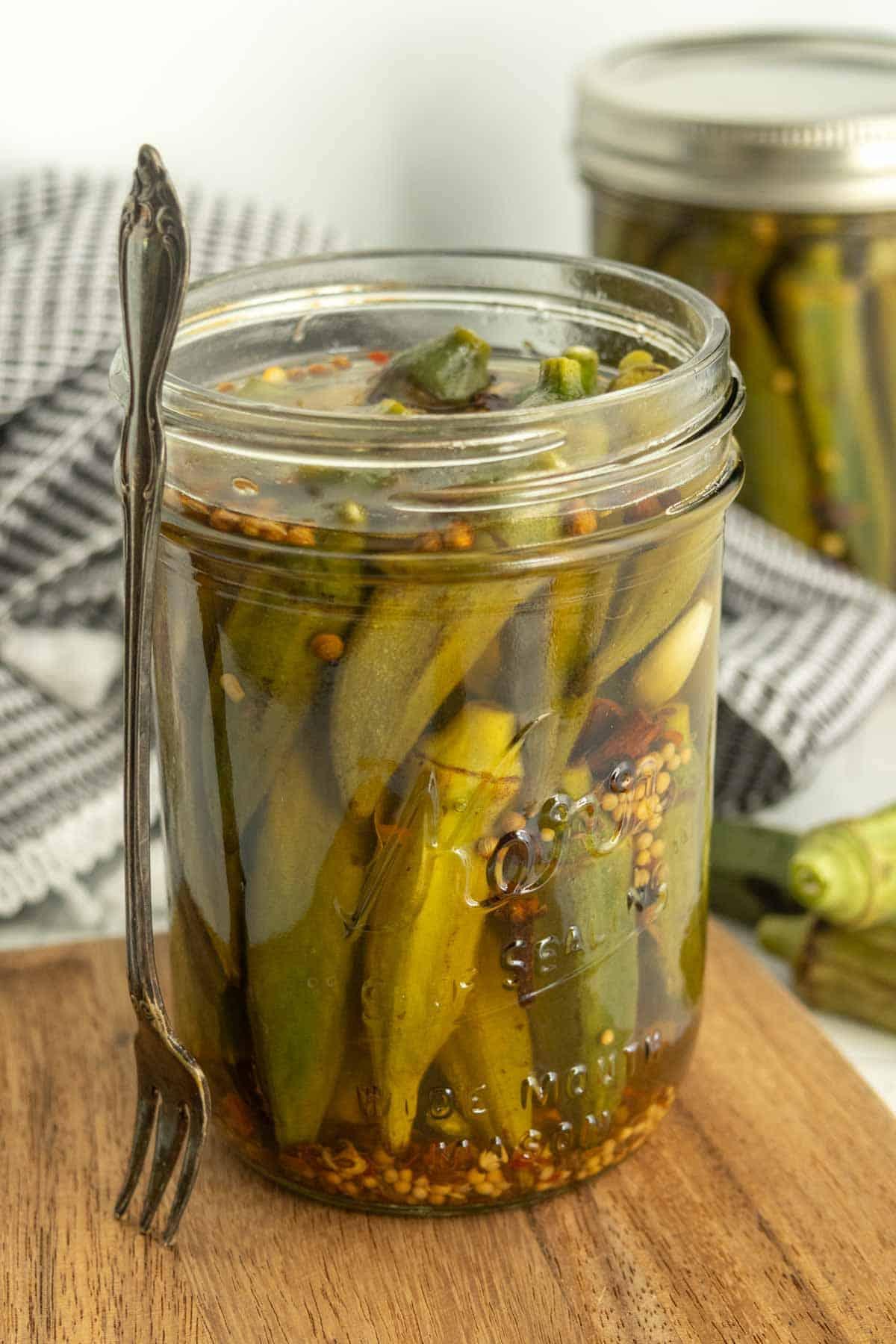
There are few ingredients as misunderstood as okra.
Mention it in a room full of cooks and you’ll usually hear one of two reactions:
“I love fried okra.”
Or…
“I can’t stand the slime.”
That reaction is understandable, but it also means many people are missing one of the most versatile vegetables in the world. Okra isn’t simply a Southern side dish. It has traveled continents, adapted to dozens of cuisines, and developed a reputation as both a thickener and a crisp, smoky vegetable depending on how it’s prepared.
The secret isn’t learning to hide okra’s unique qualities—it’s learning when to embrace them and when to control them.
A Brief History of Okra
Okra
Okra’s story begins in Northeast Africa, most likely in the region that includes present-day Ethiopia and Sudan. From there, it spread through trade routes into the Middle East, India, and across the Mediterranean. By the 17th century, it had reached the Americas through the transatlantic slave trade, where enslaved Africans brought not only seeds but also generations of agricultural and culinary knowledge.
In the American South, okra became deeply rooted in regional cooking. It found a home in dishes like gumbo, stewed tomatoes and okra, and fried okra. But its influence extends far beyond Southern cuisine.
Around the world, okra appears in:
- Indian curries, where it is often sautéed until crisp.
- West African stews, where it naturally thickens soups.
- Middle Eastern tomato braises.
- Caribbean pepper pots and seafood dishes.
- Mediterranean vegetable stews.
Each culture discovered something different about the ingredient.
Some celebrated its thickening power.
Others worked specifically to minimize it.
Both approaches are correct.
What Is the “Slime”?
The characteristic texture of okra comes from mucilage.
Mucilage is a natural mixture of soluble fibers and polysaccharides that the plant produces to retain water and protect its seeds.
While the word “slime” doesn’t sound particularly appetizing, it’s actually the same type of natural plant chemistry found in foods like:
- flaxseed
- chia seeds
- aloe
- cactus pads
- marshmallow root
In fact, mucilage is one reason okra is valued nutritionally—it contributes soluble fiber that can create a pleasant body in soups and stews.
The real question isn’t whether okra contains mucilage.
It’s whether you want that characteristic to be part of the dish.
How to Control the Slime
One of the biggest myths about okra is that there is only one way to prepare it.
In reality, the cooking method determines the texture.
Keep It Dry
Water encourages mucilage to spread.
After washing okra:
- Dry it thoroughly with towels.
- Let it air-dry for several minutes if possible.
- Never cook wet pods in a hot pan.
Dry surfaces blister.
Wet surfaces steam.
Cook with High Heat
One of the best ways to minimize mucilage is to cook quickly over high heat.
Think:
- grilling
- roasting
- cast-iron blistering
- air frying
High heat quickly browns the exterior before much mucilage has a chance to escape.
This is why grilled okra often surprises people who think they dislike it.
Leave the Pods Whole
Every cut exposes more of the interior.
More exposed seeds mean more mucilage released.
Cooking whole pods dramatically reduces the amount of slime compared with sliced okra.
If you do need to cut it, make larger pieces rather than thin slices.
Add Acid at the Right Time
Acid can help reduce the slippery texture while also brightening the flavor.
Good choices include:
- vinegar
- lemon juice
- lime juice
- tomatoes
One note of caution: adding acid too early in some recipes can slow softening. If you’re braising okra, let it cook briefly before adding stronger acids so the pods can become tender while still keeping their shape.
Embrace It When It Makes Sense
Sometimes the best solution is not eliminating the mucilage at all.
In gumbo, West African soups, or tomato stews, okra becomes a natural thickener.
Instead of adding flour or cornstarch, the vegetable creates body on its own.
That’s not a flaw.
That’s functional cooking.
Unexpected Ways to Use Okra
Most people think of fried okra first.
But this vegetable is remarkably adaptable.
Charred with Brown Butter and Lemon
Blister whole pods over very high heat until lightly charred.
Finish with:
- brown butter
- toasted almonds
- lemon zest
- flaky salt
The result is crisp, nutty, and bright.
Tempura Okra
Whole pods coated in a light batter become remarkably crisp while preserving their fresh interior.
Serve with:
- yuzu aioli
- ponzu
- chili crisp
- sesame dipping sauce
Fire-Roasted Skewers
Thread whole okra onto skewers with:
- cherry tomatoes
- red onion
- mushrooms
- zucchini
Brush lightly with olive oil and grill over hardwood or fruitwood.
The smoky exterior transforms the vegetable while keeping the interior tender.
Stir-Fries
One of the easiest ways to appreciate okra is in a quick stir-fry.
Pair it with:
- garlic
- ginger
- soy sauce
- sesame oil
- mushrooms
- shrimp
The high heat keeps the pods crisp while the savory flavors complement okra’s grassy notes.
Grilled Summer Salad
Grilled okra pairs beautifully with:
- heirloom tomatoes
- peaches
- basil
- burrata
- toasted pistachios
Finish with a white balsamic vinaigrette for a dish that feels distinctly summer.
A Flayvor Perspective: Texture Is a Flavor Decision
One of the principles behind Flayvor is that ingredients have more than one identity.
Okra demonstrates this beautifully.
Depending on how you prepare it, the same vegetable can become:
- crisp
- creamy
- smoky
- silky
- crunchy
- bright
- deeply savory
That isn’t because the ingredient changes.
It’s because your technique changes what the ingredient is allowed to become.
Learning to control texture is just as important as learning to balance sweet, salty, sour, bitter, and umami. When you understand how heat, moisture, acidity, and cutting techniques affect an ingredient, you’re no longer just following recipes—you are making intentional choices.
Okra is a reminder that every ingredient has multiple personalities waiting to be discovered.
And sometimes, the ingredients we think we know best still have the most to teach us.
P.S. Flavor Pairings
Okra’s flavor is mild, earthy, and slightly grassy, making it an excellent canvas for stronger ingredients. To see all of okras’ flavor pairing join the Flayvor app at www.flayvor.net
Leave a Reply